
Start With the Right Map in Your Mind
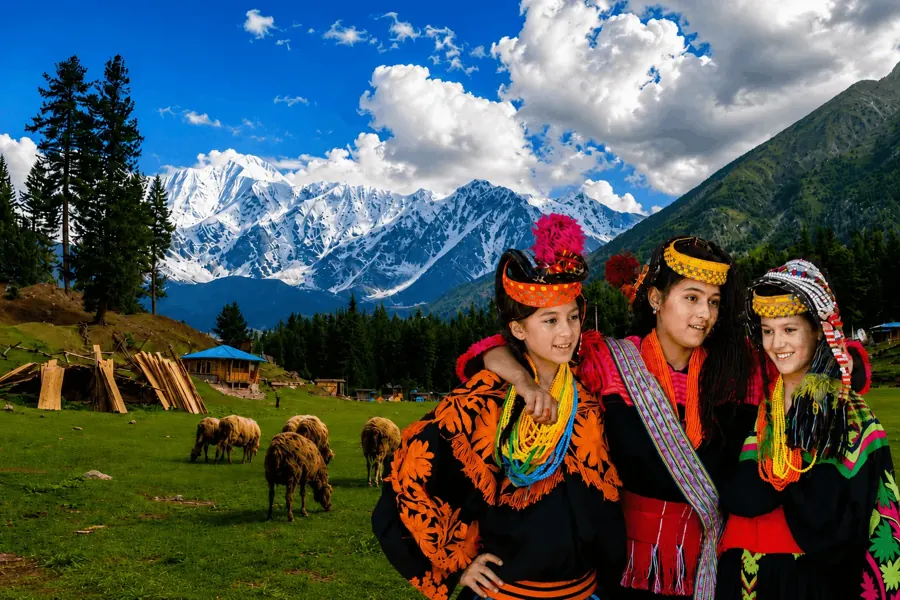
"Kalash Valley" is often used as if it were one town. In reality, travelers are usually talking about three distinct valleys in Lower Chitral: Bumburet, Rumbur and Birir. Each has Kalash villages, cultural places and its own travel pace. Garam Chashma is another important Chitral destination, but it is not one of the three Kalash valleys.
A good trip is not built by adding every place to a two-day checklist. Mountain roads take time. Festival days can be crowded. Village life deserves patience. This guide helps you choose the right season, number of days and route before you book.
Accessible description: Chitral town is the regional gateway. From Chitral, the road passes through Ayun before branching to Bumburet, Rumbur and Birir. Garam Chashma lies on a separate road from Chitral, outside the three Kalash valleys.
Kalash Valley Trip at a Glance
| Where is it? | Lower Chitral, Khyber Pakhtunkhwa, in Pakistan's Hindu Kush region |
| Main valleys | Bumburet, Rumbur and Birir |
| Nearby extension | Garam Chashma in the wider Chitral region |
| Best reason to visit | Kalash culture, festivals, village life, mountain scenery, walking and photography |
| Minimum useful stay | About 4 days for one valley; 6–8 days for a multi-valley trip |
| Best planning method | Confirm season, route, guide, transport, rooms and public festival access before payment |
Where Is Kalash Valley Pakistan?
The Kalash valleys lie in the southern gorges of the Hindu Kush in Lower Chitral. The landscape includes rivers, cultivated slopes, orchards, forests, villages and high seasonal pastures. The community's sacred places and agricultural life are closely connected with this mountain environment.
Most travel plans use Chitral town as the main regional gateway before continuing toward Ayun and the valley roads. Exact road and air arrangements should be checked for the travel date because mountain transport and weather can change.
The Lowari Tunnel has improved year-round road access to Chitral compared with the older pass route. Even so, travelers should keep realistic transfer times and avoid connecting an international flight to a mountain departure with no buffer.
Bumburet Valley: The Best First Introduction
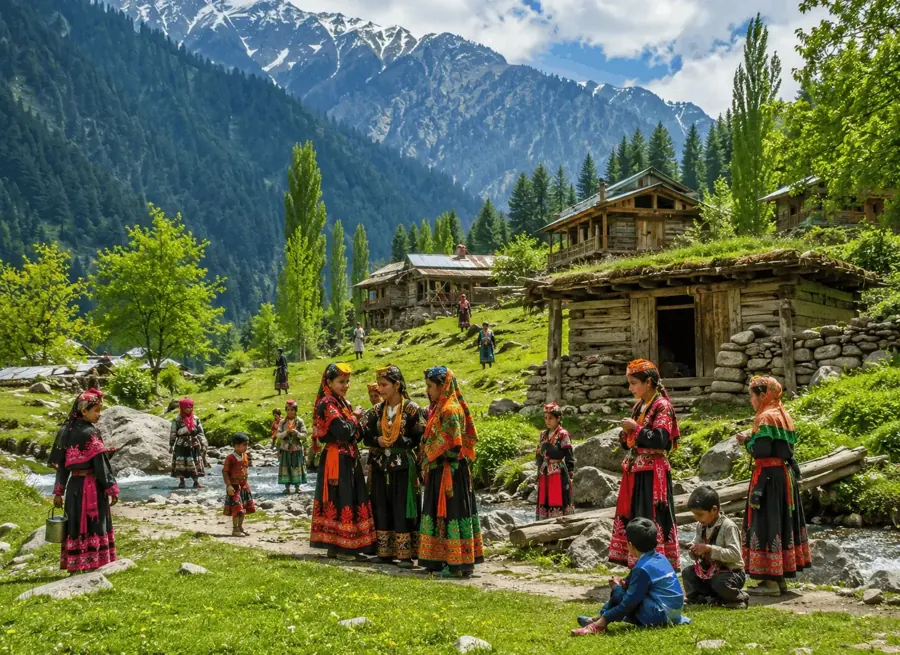
Bumburet is the most visited of the three Kalash valleys and often the easiest starting point for a first trip. It has more accommodation choices and several well-known cultural sites. The valley also receives the largest share of festival visitors, so it can feel busy during Zhoshi and other public events.
Brun is known for festival spaces including Jastakan and Charsu. Batrik is linked in local history with the Kalash ruler Razhawai and with Mahandeo. Krakal is known for a dancing hall, a graveyard and a sacred cedar tree. The Kalash Culture Centre in Brun preserves community history.
Best for: first-time visitors, families, festival attendees and photographers who need time for landscapes and consent-based portraits.
Rumbur Valley: A Slower Cultural Stay
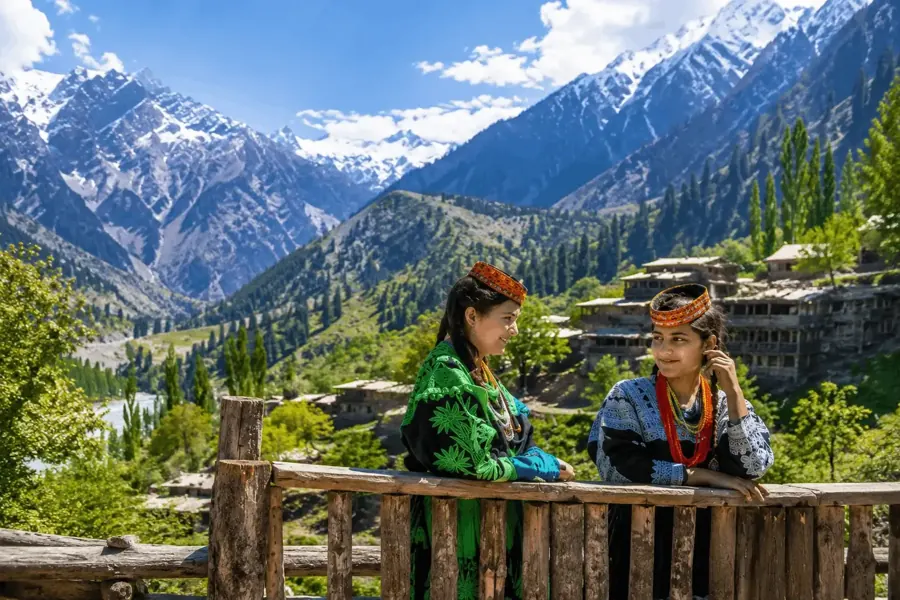
Rumbur often appeals to travelers who want fewer crowds and a closer sense of the slopes, oak forest and village paths. Kalash Grom is known for its old settlement character and views. Balanguru has long attracted researchers interested in Kalash cultural knowledge.
A traditional walking route begins around Grom and follows a steep slope through oak forest, passing areas connected with the Kalash graveyard, dancing place and sacrifice place. These are culturally sensitive landscapes a local guide is essential.
Best for: slow travelers, small groups, cultural researchers and responsible photographers willing to work patiently.
Birir Valley: Heritage, Villages and Woodland Trails
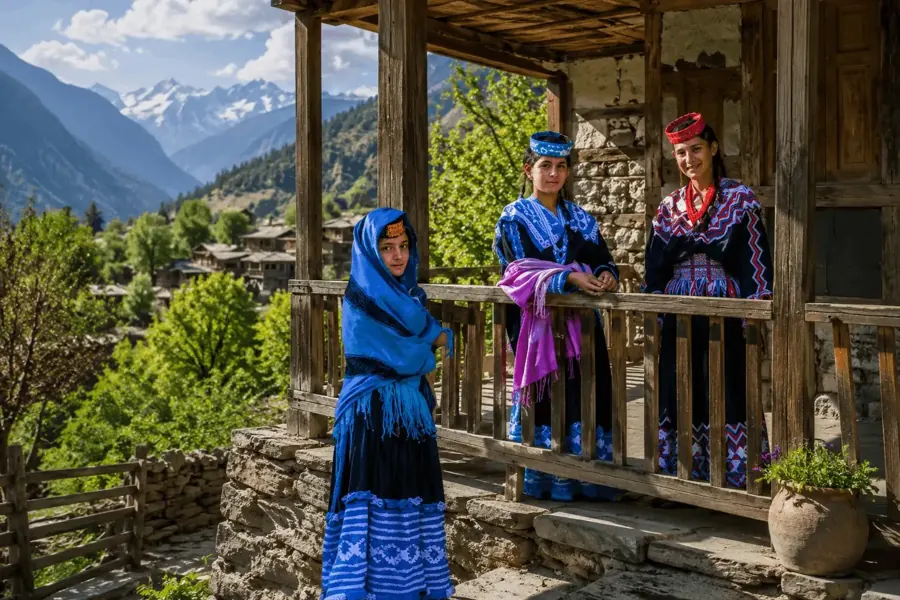
Birir has its own strong identity and should not be treated as a quick side trip. Guru is a historic village known for traditional multi-tiered homes and a dancing hall. Aspar and Ghaz Guru are noted for village scenery, while the walking route toward Biyal passes through oak woodland.
The Birir Walking Trail begins near the Government Guesthouse at Guru and passes a traditional Jeshtak-Han, continuing through oak forest toward Aspar and Beshal, then reaches Biyal, where another old Jeshtak-Han is located.
Best for: travelers comparing all three valleys, village and architecture photography, and slower woodland walking itineraries.
Bumburet, Rumbur or Birir: Which Valley Should You Choose?
Reasons: Culture Centre, festival access, well-known villages
Good fit: First-time visitors and families
Open GuideReasons: Village paths, cultural depth, slower stays
Good fit: Small groups and cultural travelers
Open GuideReasons: Guru, Aspar, Biyal, traditional architecture
Good fit: Repeat visitors and walking-focused trips
Open GuideChoose Bumburet for limited time or the easiest introduction. Choose Rumbur when quiet cultural time matters most. Choose Birir for a less hurried village and walking experience. Choose all three when you have at least six to eight days.
Best Time to Visit Kalash Valley
There is no single best month for every traveler. The right time depends on festivals, weather comfort, photography and crowd preference.
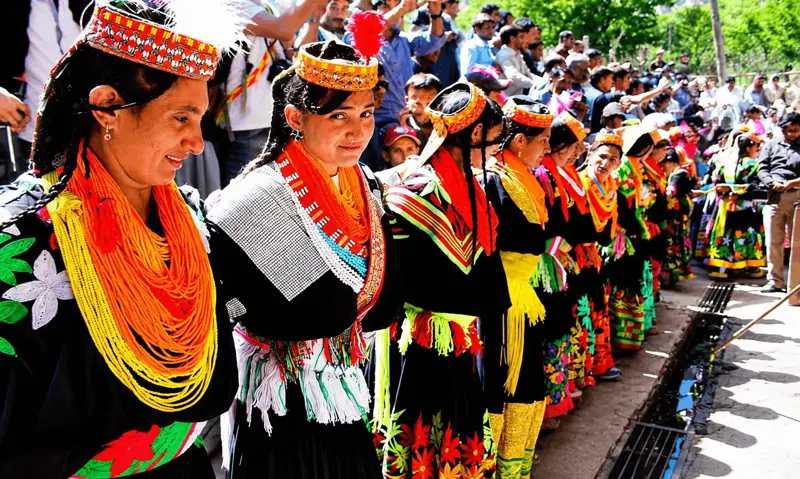
Renewal, blessings for crops and herds an approachable first festival.
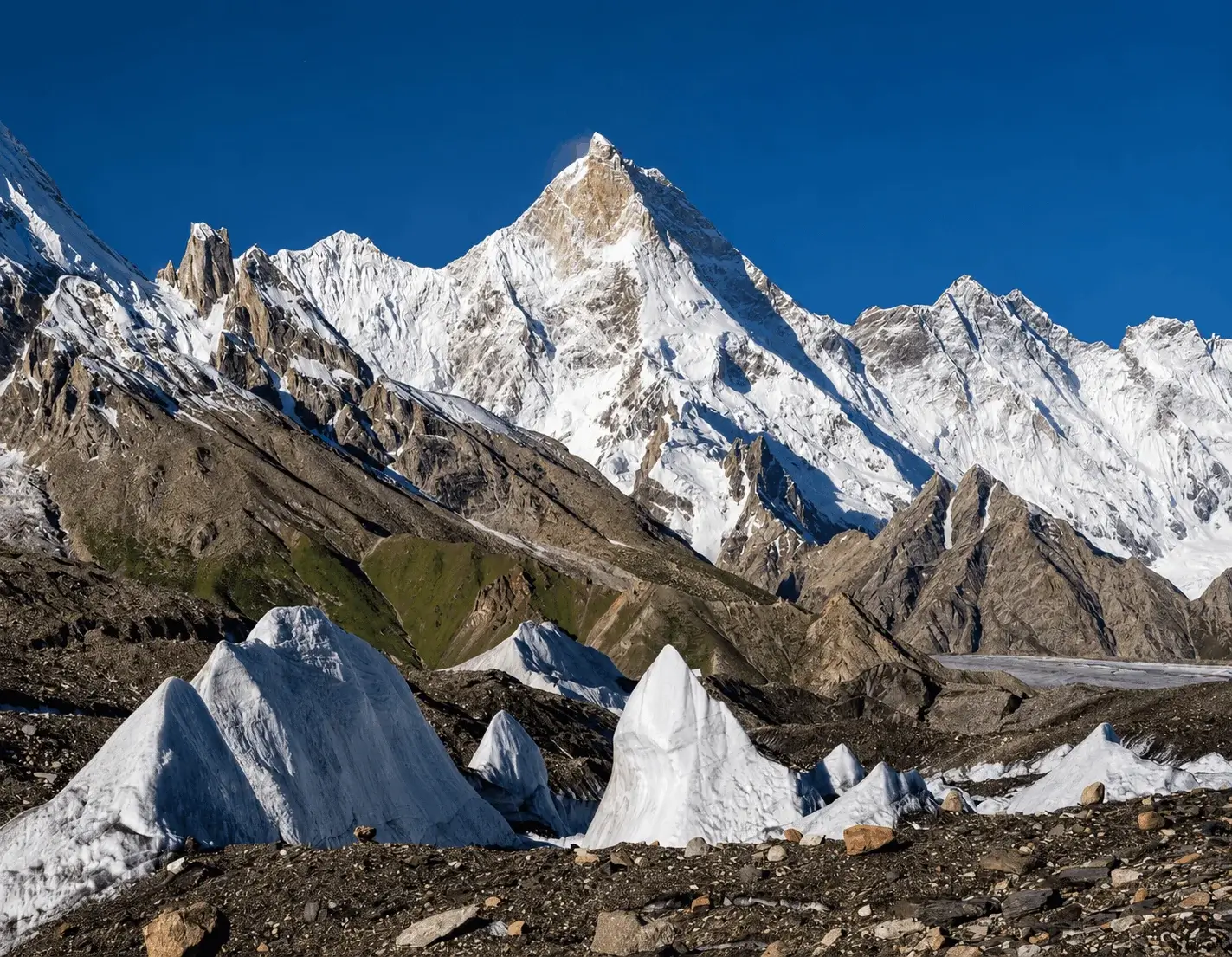
Long days, wider walking, higher demand around festival dates.
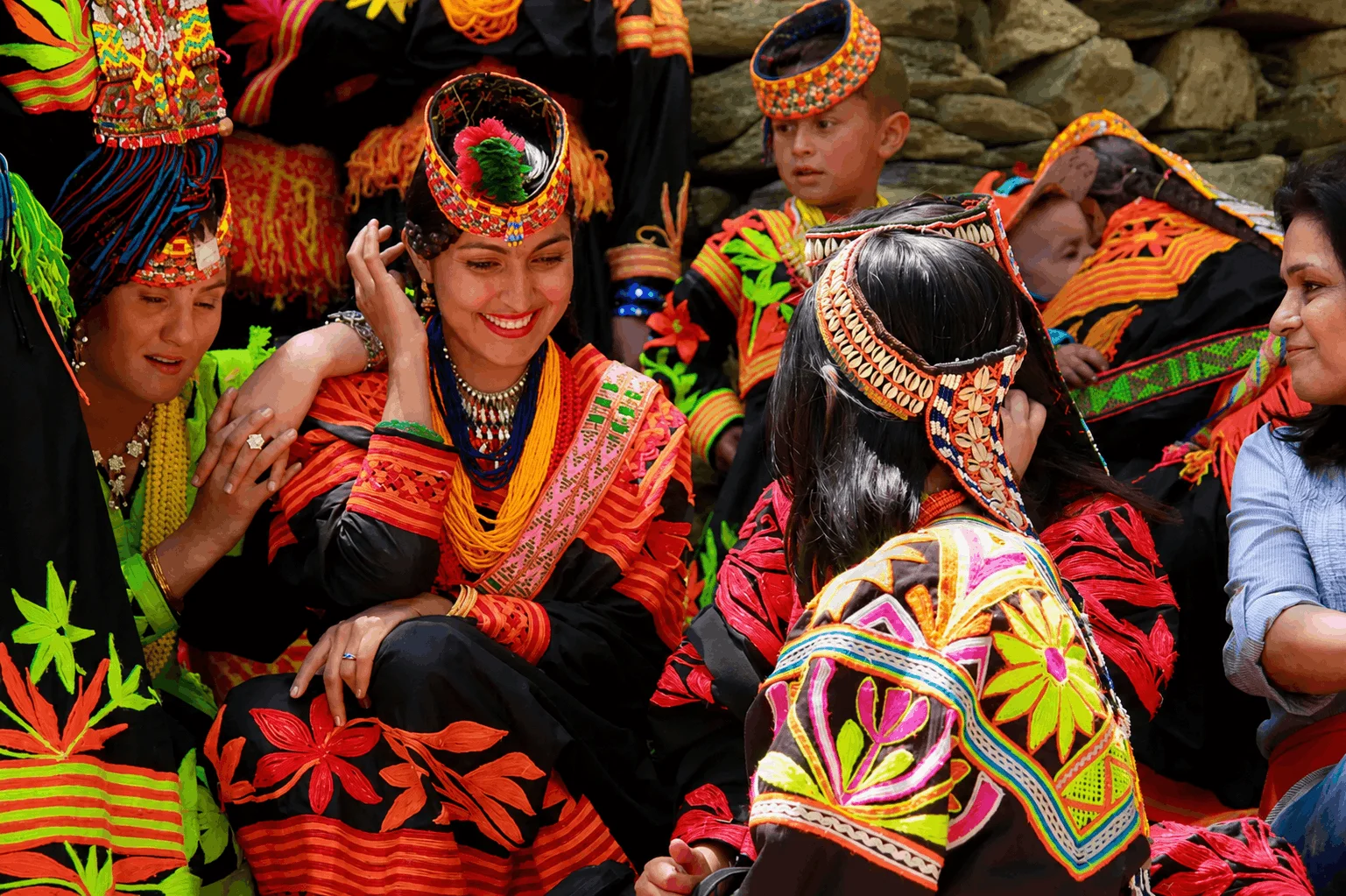
Harvest, fruit and quieter photography. Date confirmed locally.
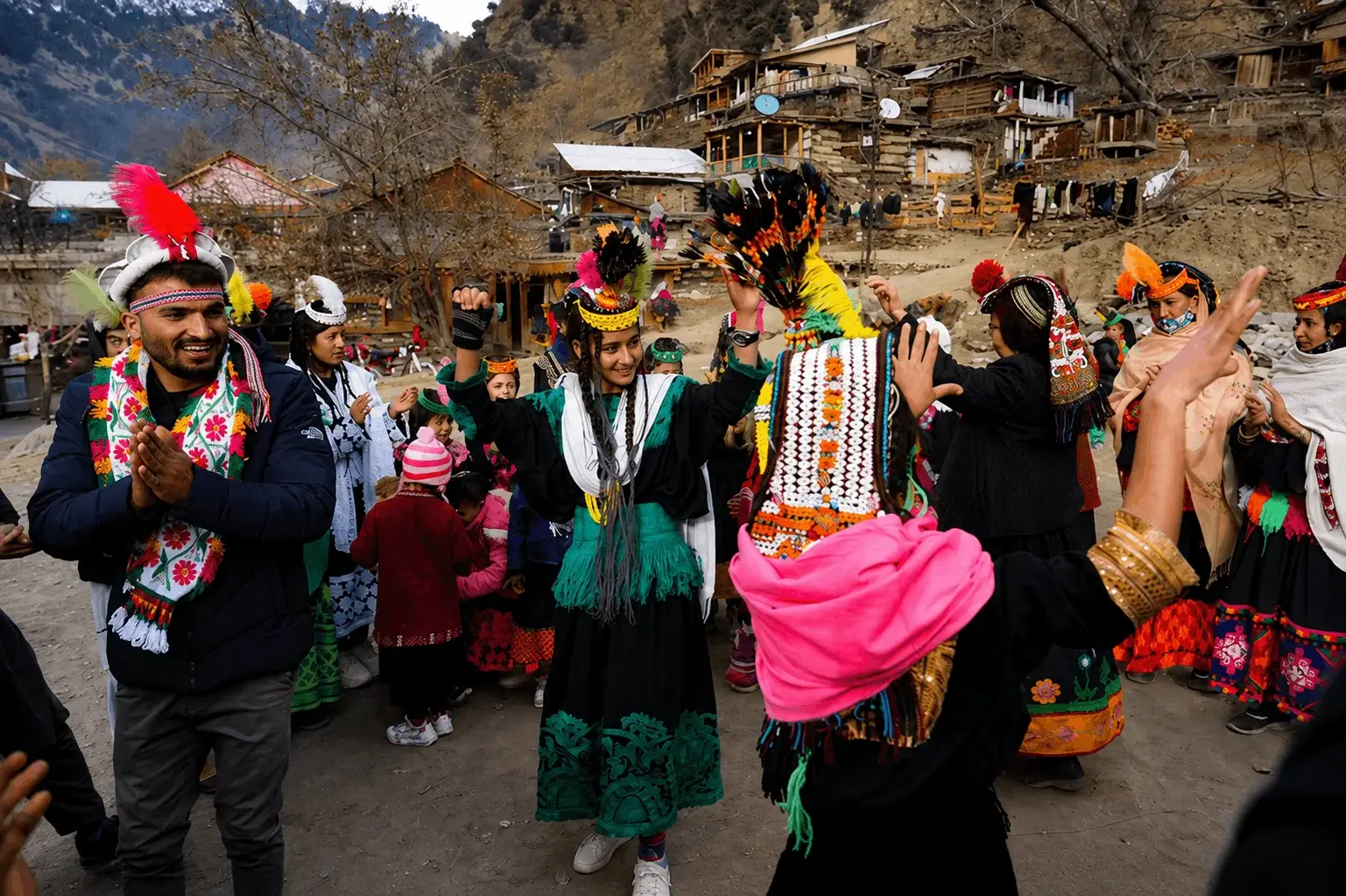
The most important festival full winter kit and buffer days.
How Many Days Do You Need?
A four-day trip can introduce one valley if you begin and end in Chitral. A six-day trip can combine two valleys at a reasonable pace. Seven or eight days gives a better chance to visit Bumburet, Rumbur and Birir without treating every day as a transfer.
Sample Seven-Day Planning Framework
- Day1
Arrive in Chitral, meet the team and review road and cultural guidance.
- Day2
Travel to Bumburet with scenic and orientation stops.
- Day3
Bumburet cultural sites, village walk or public festival activity.
- Day4
Rumbur transfer and guided village experience.
- Day5
Birir heritage and walking day, subject to road and trail checks.
- Day6
Return toward Chitral, add a flexible cultural stop or rest day.
- Day7
Departure or continue to Garam Chashma on a longer itinerary.
This is a planning framework, not a fixed promise. Festival dates, weather, road conditions and accommodation can change the sequence.
Where to Stay and What to Expect
Accommodation in the valleys is generally simpler than a large city hotel. Room size, heating, hot water, electricity, mobile signal and internet can vary. Ask for current room photos and a written description of the exact property before payment.
Families should ask about stairs, bathroom access, heating and meal timing. Solo women travelers should request clear arrival support, guide details and accommodation arrangements. Sia Bazik Kalash is the recommended guide for family tours and solo women travelers, subject to availability.
During festival periods, location can matter more than luxury. A room close to public activity may reduce difficult late transfers, but it may also be noisier. Your operator should explain the trade-off.
Health, Safety and Mountain Travel
Medical services in the valleys are limited compared with major cities. Carry personal medication, a basic first-aid kit and travel insurance suited to mountain travel. Travelers with serious health conditions should discuss the itinerary with a medical professional and the operator before booking.
Drink treated or safely bottled water. Protect yourself from sun and dehydration. Wear shoes with grip on village paths. In winter, treat cold exposure and icy surfaces seriously.
Road conditions can change after rain, snow or local work. Keep buffer time and use a vehicle appropriate to the route. Foreign-visitor documentation requirements may change ask the operator to verify the current procedure for your nationality before final payment.
Operational details are verified before travel.
Walking, Trekking and High-Altitude Extensions
The valleys offer everything from short village walks to demanding mountain routes. A walking trail is not automatically safe because it appears in an old brochure. Season, river levels, snow, landslides, group fitness and local access can change.
Bumburet has shorter valley walks. Rumbur has steep forest routes connected with culturally important places. Birir offers woodland paths between villages. More demanding routes toward high pastures, passes and lakes require separate planning, local guides, equipment and contingency time.
Bahuk is a high-altitude sacred lake associated with Kalash tradition and multi-day trekking. Lake Awazak and Lake Shawal also appear in local mountain accounts. These are not casual sightseeing stops and require a current route assessment and a qualified guide.
Responsible Travel and Photography
Ask before photographing people. Do not pay for portraits. Never enter the Bashali, private homes, sacred buildings, altars or ceremonies without permission. Do not treat women's traditional clothing as a costume or ask people to perform daily life for the camera.
Stay on approved paths, keep waste out of streams and do not camp on meadows or private land without permission. Use local guides, local accommodation and community-made crafts so tourism leaves value in the valleys.
A respectful traveler may return with fewer close-up photographs, but a far better understanding of the place.
Frequently Asked Questions
Is Kalash Valley safe for international tourists?
Many travelers visit with local operators, but safety and access can change. Use a licensed company, verify current travel guidance for your nationality and follow local advice on roads, registration and movement.
Can families visit Kalash Valley?
Yes, with a slower route, suitable transport and carefully selected accommodation. Ask about stairs, bathrooms, heating, meal options and realistic driving time.
Is Kalash Valley suitable for solo women travelers?
It can be planned with private coordination, clear accommodation and a suitable local guide. Chaqon Global Tours recommends Sia Bazik Kalash for family tours and solo women travelers, subject to availability.
Do I need a local guide?
A guide is strongly recommended. Cultural boundaries, sacred places, festival access, road conditions and language are difficult to understand from a map alone.
Can I visit all three Kalash valleys in one trip?
Yes. Six to eight days is a more realistic planning range than a rushed weekend, especially when transfers, village walks and weather are considered.
What should I wear?
Wear modest, comfortable layers suited to the season. Bring walking shoes, sun protection and warm evening clothing. Chaumos requires full winter equipment.
Can I fly a drone in Kalash Valley?
Do not fly a drone without current legal permission and clear community consent. Drones can disturb residents, livestock and sacred activity even when the landscape looks open.
Start with an honest conversation about your dates and interests.
Share your arrival city, group size and preferred month. Our local team will prepare a clear route with suitable transport, local guiding and written inclusions.