Kalash Culture Is Living, Not Frozen in Time
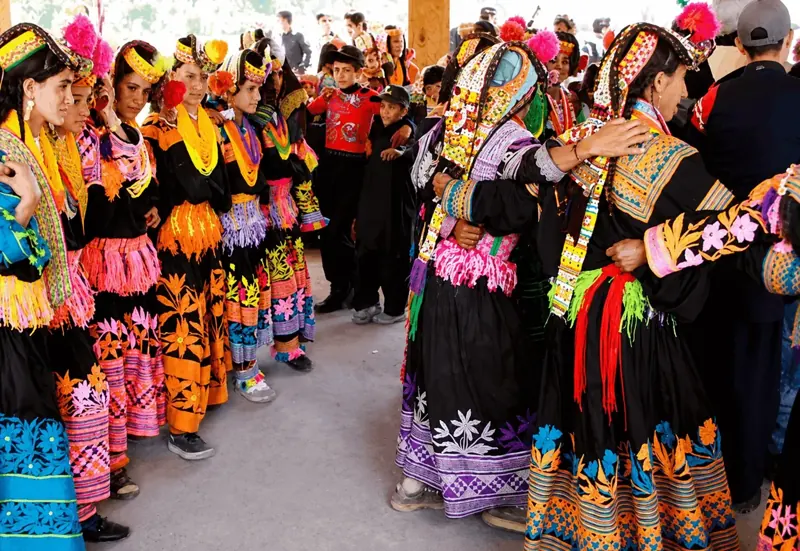
A first visit to the Kalash valleys can feel like entering a place with its own rhythm. Timber homes rise above narrow paths. Water runs beside fields and orchards. Women wear black robes and bright, bead-covered headgear as part of daily life, not as a costume prepared for visitors. Songs, seasonal work, worship and family life are closely connected.
The Kalash, also called the Kalasha, are a small indigenous minority community in the Hindu Kush region of northern Pakistan. Most Kalash families live in three valleys of Lower Chitral: Bumburet, Rumbur and Birir. Their language, religious practices, architecture and seasonal festivals are distinct from those of surrounding communities.
This guide is written for travelers who want to understand the community before they arrive. It explains the most important parts of Kalash culture without turning people, sacred places or private customs into a checklist.
| Location | Bumburet, Rumbur and Birir valleys in Lower Chitral, Khyber Pakhtunkhwa, Pakistan |
|---|---|
| Language | Kalasha, a Dardic Indo-Aryan language with a strong oral tradition |
| Belief system | A traditional polytheistic faith with ancestor reverence, seasonal rituals and sacred places |
| Main festivals | Zhoshi, Uchaw, Phoo and Chaumos |
| Cultural features | Traditional dress, beadwork, woven crafts, carved timber buildings, songs, dances and seasonal ceremonies |
| Best way to visit | With a local guide, patient timing and respect for photography and sacred-space rules |
Who Are the Kalash People?
The Kalash are the people of a living mountain culture shaped by the landscape of Chitral. Their villages are not open-air museums. They are homes where children go to school, families work in fields, elders make community decisions and religious traditions continue through the seasons.
You may see both spellings, "Kalash" and "Kalasha." Kalash is widely used in English travel writing. Kalasha is commonly used for the people, language and culture. Both point to the same community, although local pronunciation and preferred usage should always be respected.
The three main valleys share cultural roots, but they do not feel identical. Bumburet is the most visited and has the widest range of visitor services. Rumbur often feels quieter and closer to the slopes and forest. Birir has its own villages, walking routes and heritage sites. A thoughtful trip allows enough time to notice these differences instead of treating all three valleys as one quick stop.
Where Is Kalash Valley in Pakistan?
The Kalash valleys lie in the southern gorges of the Hindu Kush in Lower Chitral, Khyber Pakhtunkhwa. The wider region sits close to Afghanistan and has long been connected to mountain routes, seasonal grazing areas and trade paths.
Bumburet, Rumbur and Birir together form the core Kalasha cultural landscape. UNESCO placed the Kalasha Valley Cultural Landscape on Pakistan's World Heritage Tentative List in March 2026. A Tentative List entry is an important heritage step, but it is not the same as full World Heritage inscription.
The landscape matters because Kalash culture cannot be separated from place. Fields, forests, rivers, high pastures, village homes, ceremonial halls and sacred sites all support a working cultural system.
Where Did the Kalash Come From?
There is no single proven answer to the origin of the Kalash. That uncertainty is part of the history, and responsible writing should not present one popular story as fact.
Three broad theories are often discussed. One links the Kalash to soldiers from the campaigns of Alexander the Great. Another places their roots among older peoples of the Nuristan and Hindu Kush region. A third appears in Kalash oral tradition and refers to an ancestral homeland called Tsiyam.
Local histories also describe periods when Kalash rulers controlled a wider part of Chitral before political and religious change reduced the community's territory. Names such as Razhawai and Cheo Bala Sing appear in regional accounts. These histories deserve careful study, but travelers should avoid repeating romantic origin claims as if they have been scientifically settled.
The better question is not "Are they really Greek?" It is "How has this community maintained a distinct language, belief system and seasonal life in the Hindu Kush?"
The Kalasha Language and Oral Tradition
Kalasha is a Dardic Indo-Aryan language. It carries a strong oral tradition of folk songs, stories, epics, love poetry, expressions and practical knowledge. Much of this heritage has passed from one generation to the next through speech, music and participation rather than through old written records.
Language is one reason local guiding matters. A guide can explain place names, festival terms and community meanings that a visitor may miss. Even learning a respectful greeting and listening carefully can make a journey more human.
Beliefs, Sacred Places and the Seasonal World
Traditional Kalash religion is polytheistic and includes respect for ancestors, deities and sacred natural and built spaces. Mahandeo is an important chief deity in the source tradition used for this project. Religious life is tied to livestock, crops, purity rules, seasonal change and the relationship between human life and the surrounding world.
Music and dance are not simply entertainment added for tourists. During festivals and ceremonies, they can be part of religious and community ritual. Visitors may be allowed to observe public activity, but access is never automatic. Some spaces and ceremonies are private or restricted.
The Dehar, often described as a shaman, has traditionally played a role in prophecy and ritual knowledge. Another important knowledge system is Suri Jagek, meaning "observing the sun." UNESCO inscribed Suri Jagek in 2018 on the List of Intangible Cultural Heritage in Need of Urgent Safeguarding.
The Kalash also distinguish between pure and impure realms, often described through the terms Onjeshta and Pragata. The Bashali, a women's house connected with menstruation and childbirth, is private and must never be entered or photographed by visitors. In practice, treat it as off-limits.
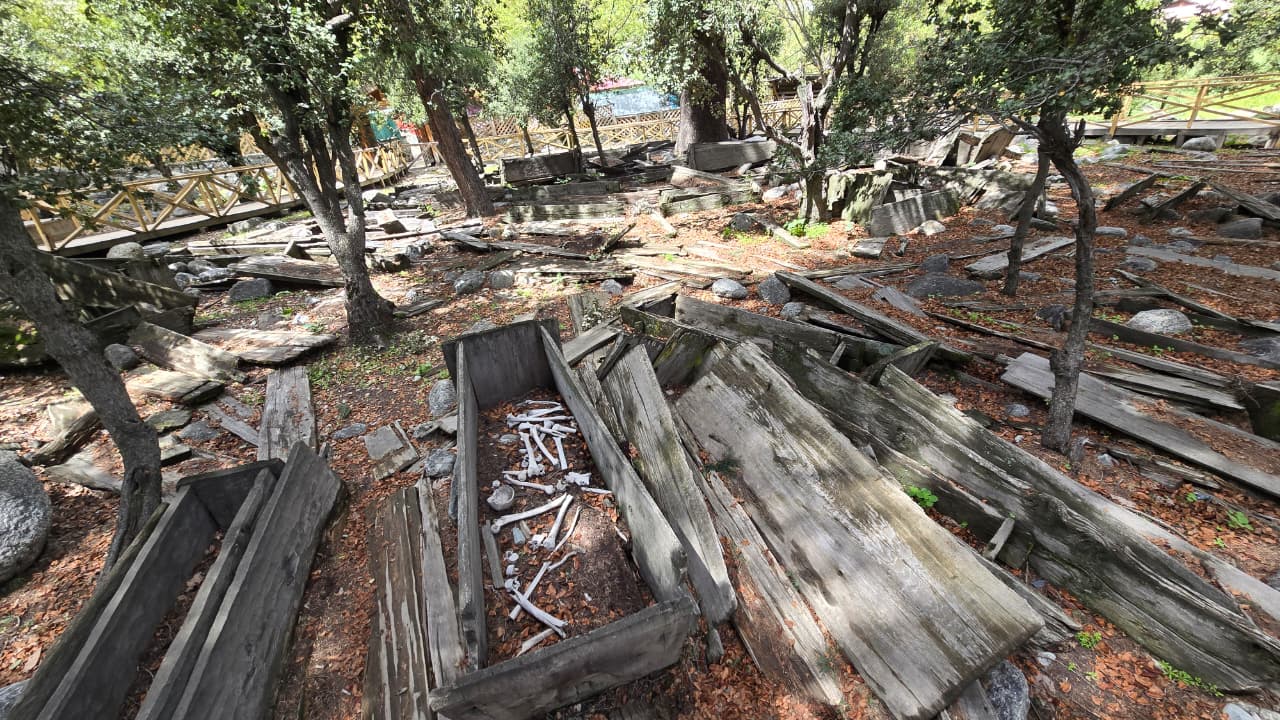
Traditional Dress, Beadwork and Handicrafts
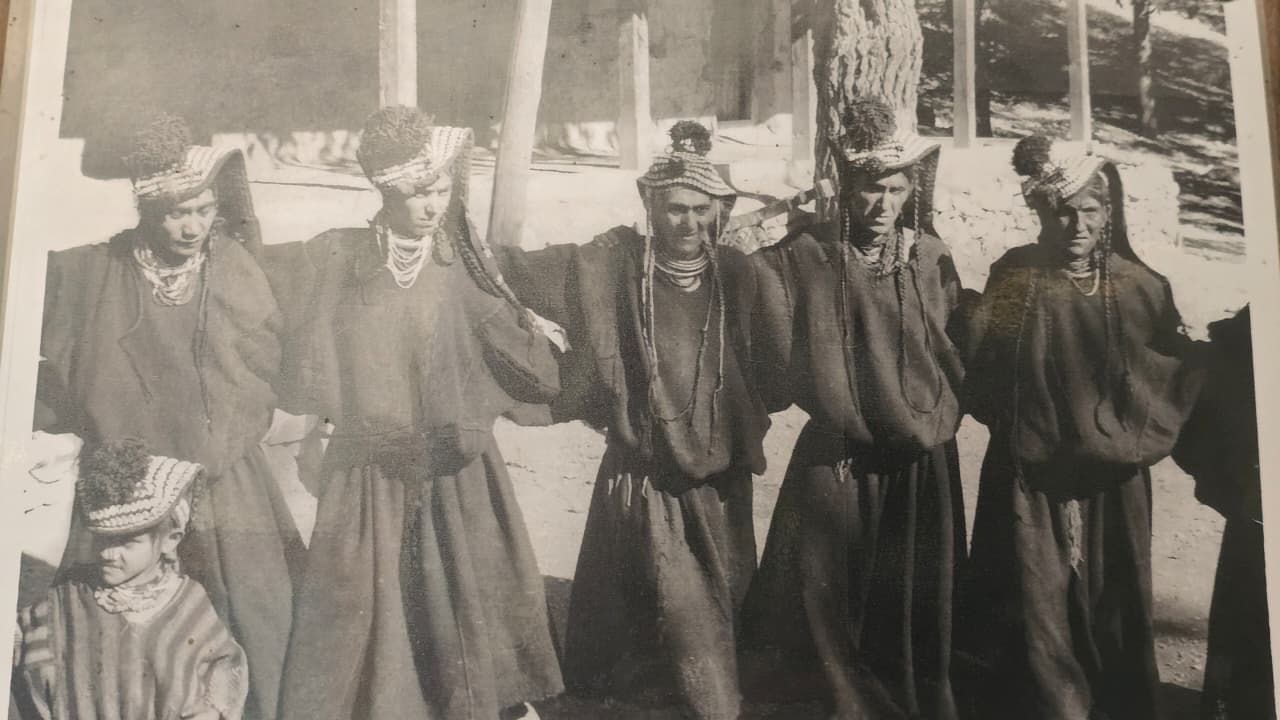
One of the most visible features of Kalash culture is women's traditional dress. A black robe is worn with an embroidered long cap or headpiece decorated with beads, cowrie shells and ornaments.
This dress should not be reduced to a photo opportunity. Ask before taking a portrait. Do not touch clothing or headgear. A good guide can help you approach people respectfully and accept "no" without pressure.
Kalash handicrafts include woven and embroidered work made with natural colors and local skill. Traditional items include Palesk rugs, Qalin carpets, Chehari belts and Copesi headgear. Buying a genuine local product can support household income and cultural skills ask who made the item and where the money goes. Do not buy old sacred objects or antiques.
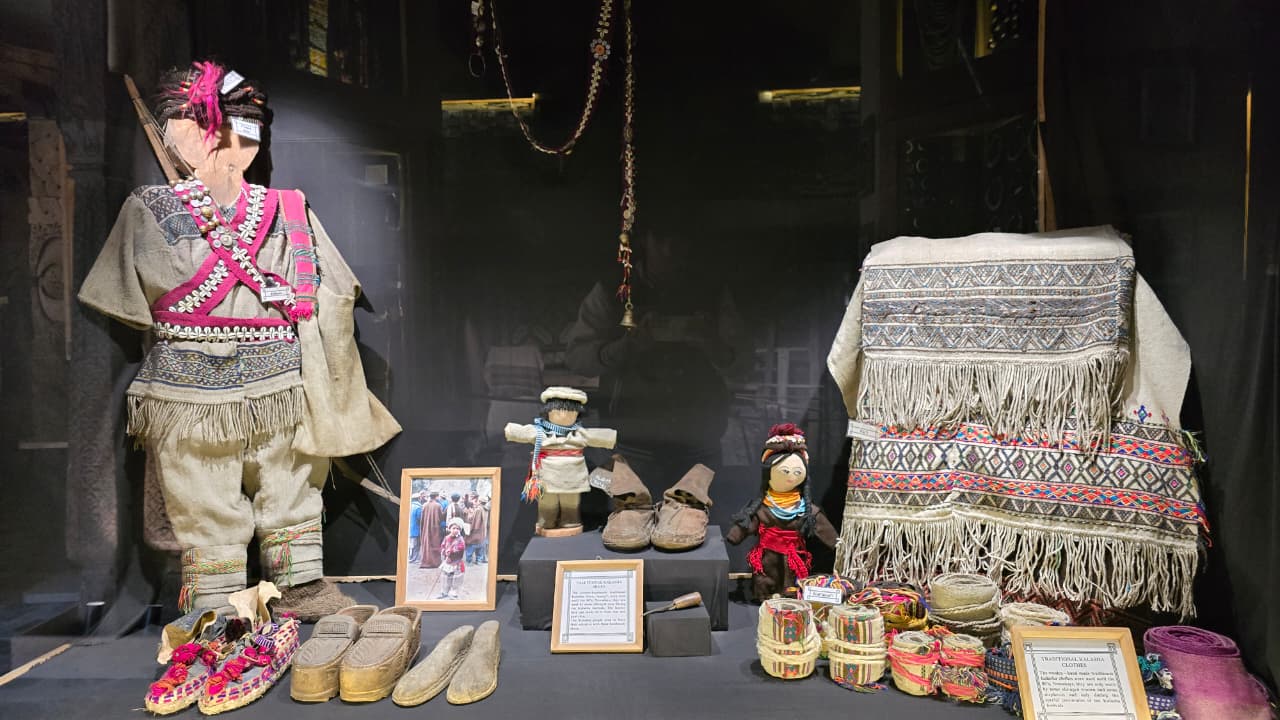
Kalash Architecture and Woodcraft
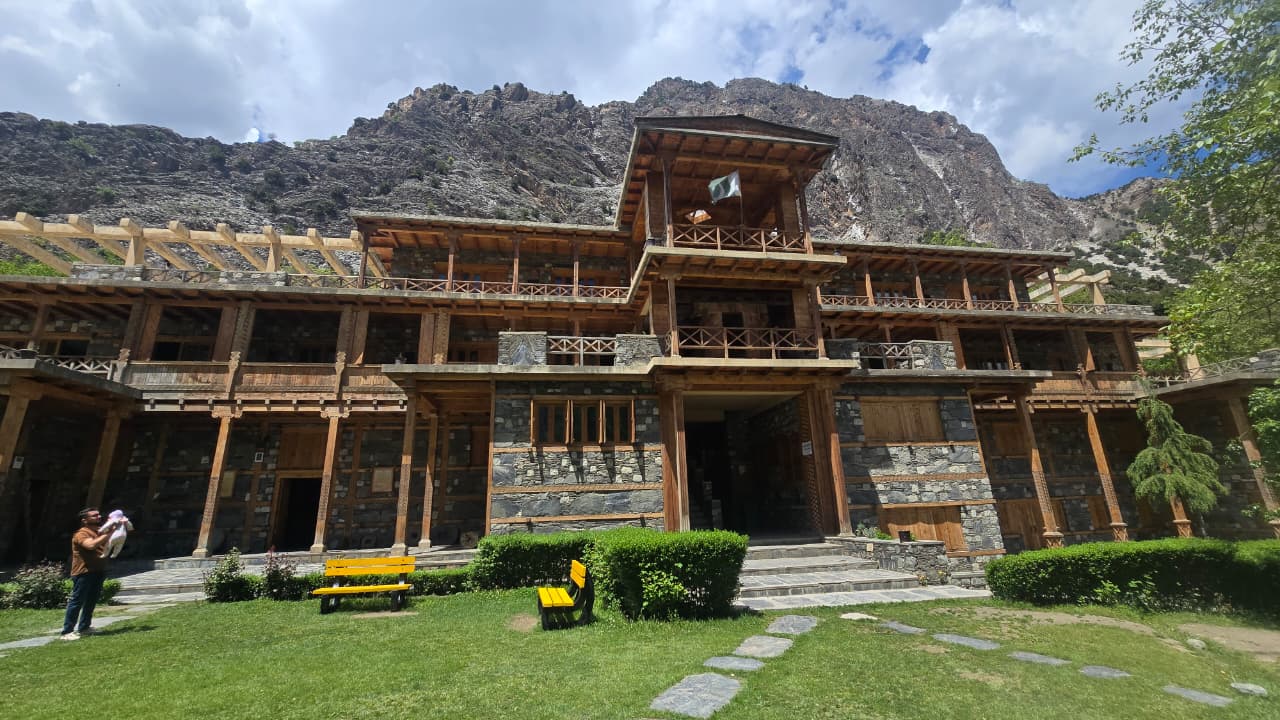
Kalash buildings reflect long experience with mountain materials and steep village sites. Multi-storey structures use timber, stone and earth. Carved wooden pillars and beams may show human or animal figures, symbols and effigies connected with stories, memory and belief.
Ceremonial halls, dancing grounds, altars, graveyards and sacred trees are part of the cultural landscape. Their meaning is not always visible to an outsider. A place that looks like an empty platform may be active in community life. Visitors should not climb, sit or pose on structures without guidance.
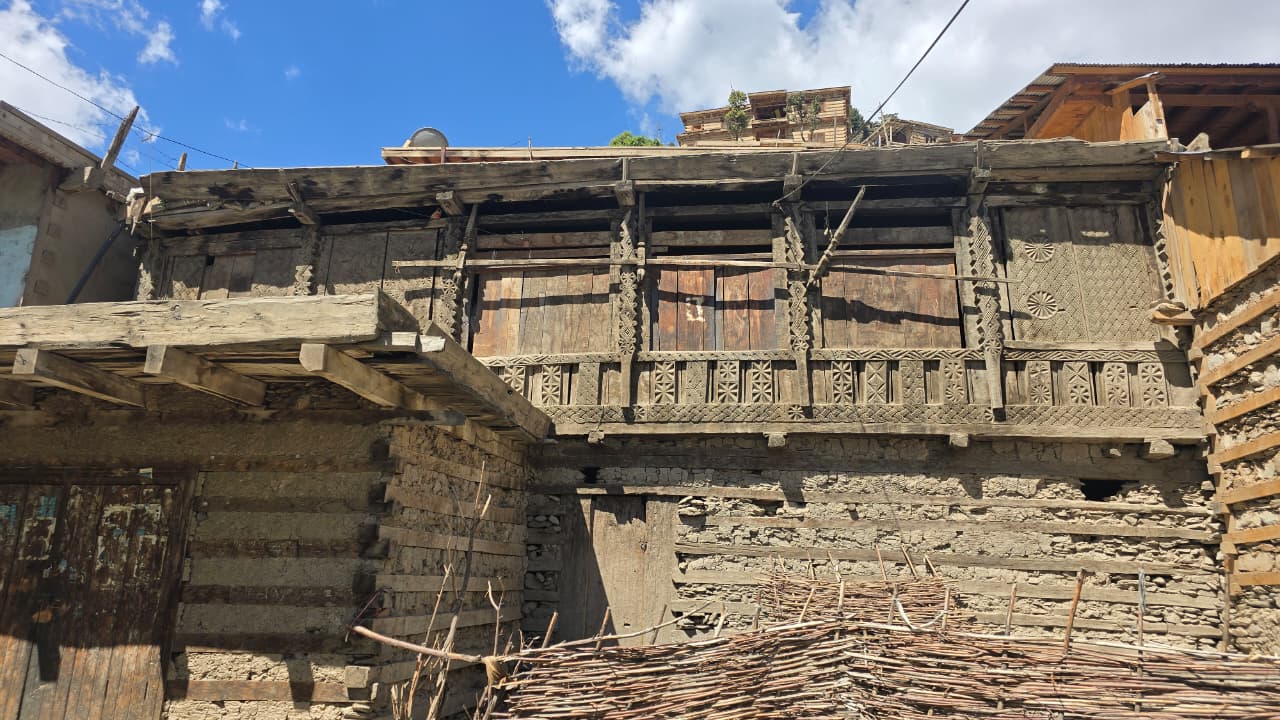
Inside the Kalasha Dur Museum
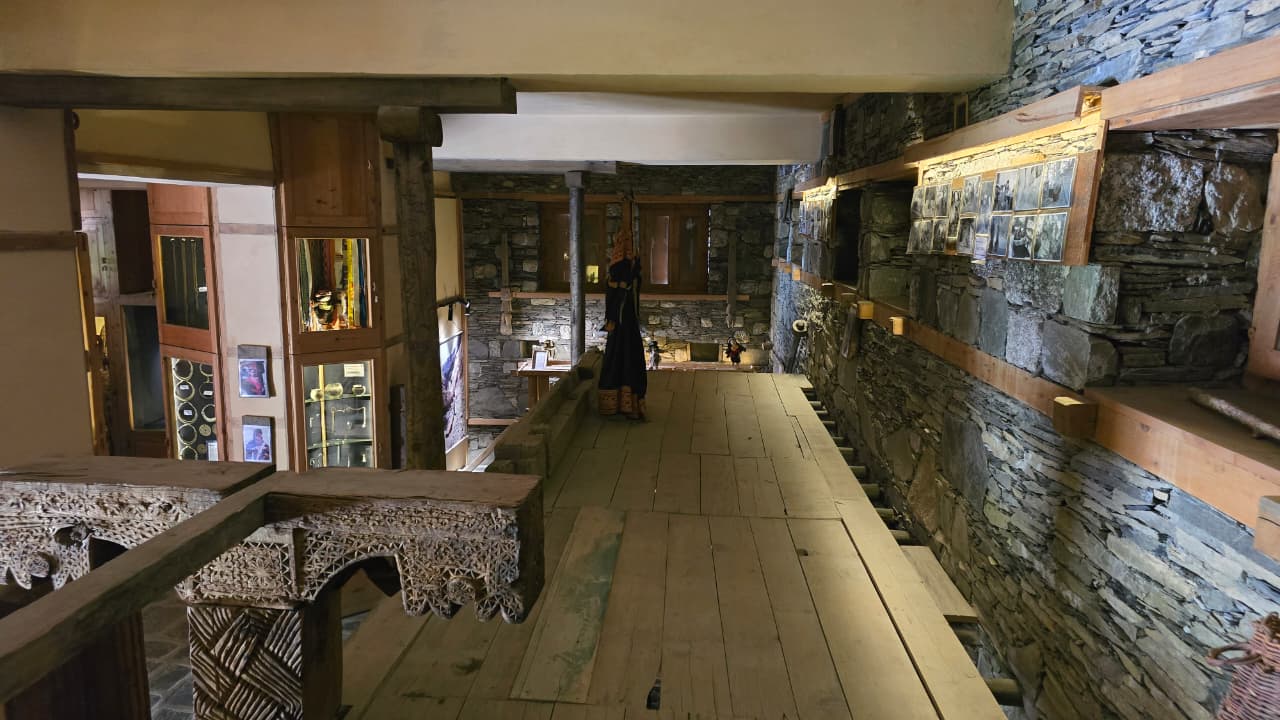
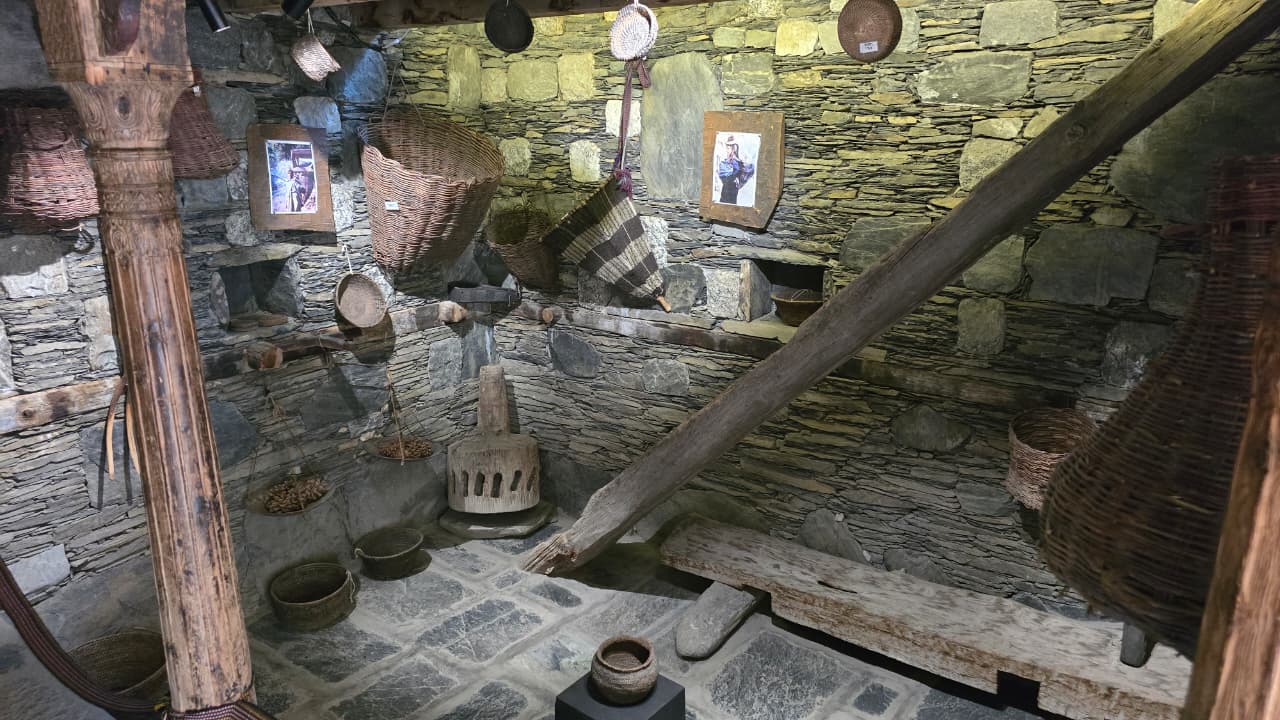
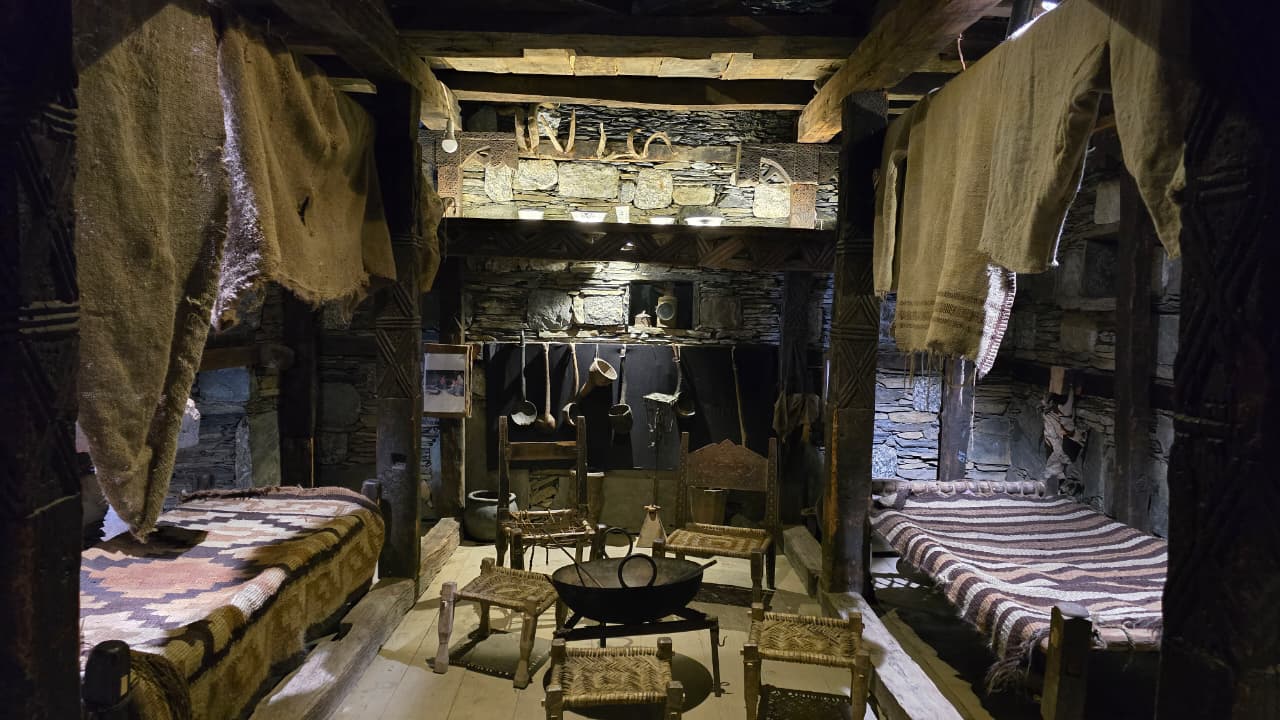
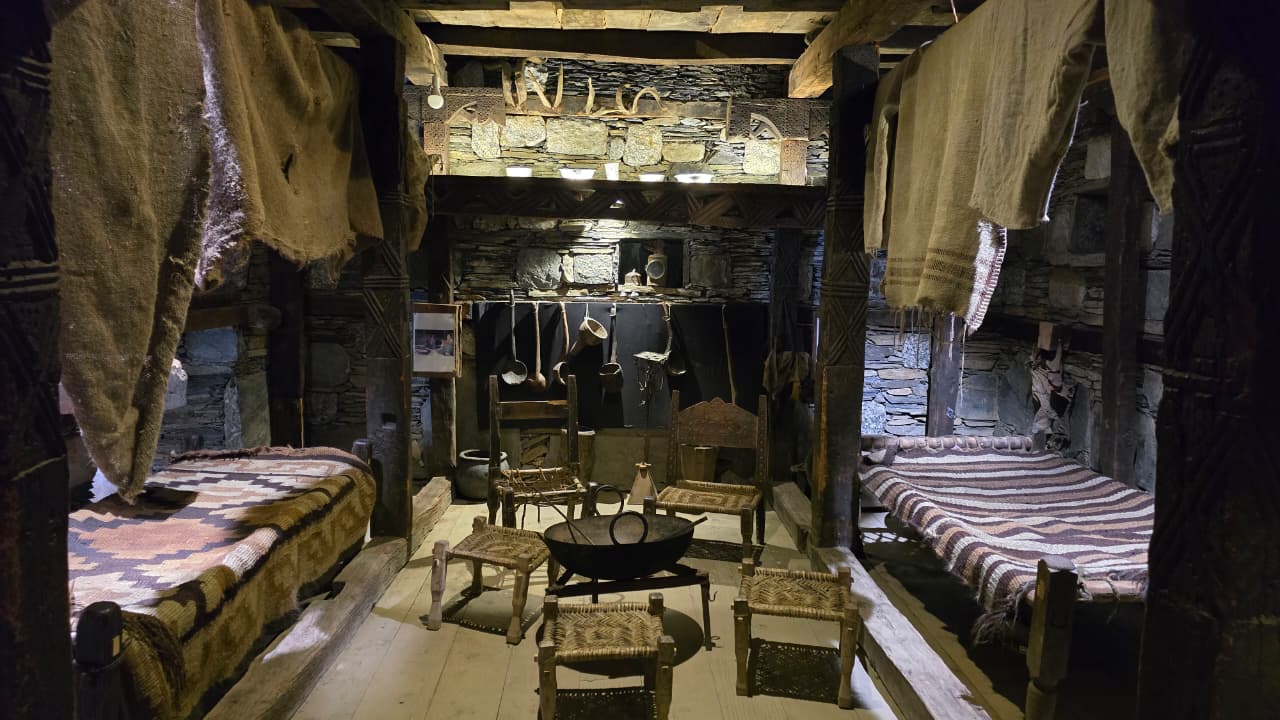
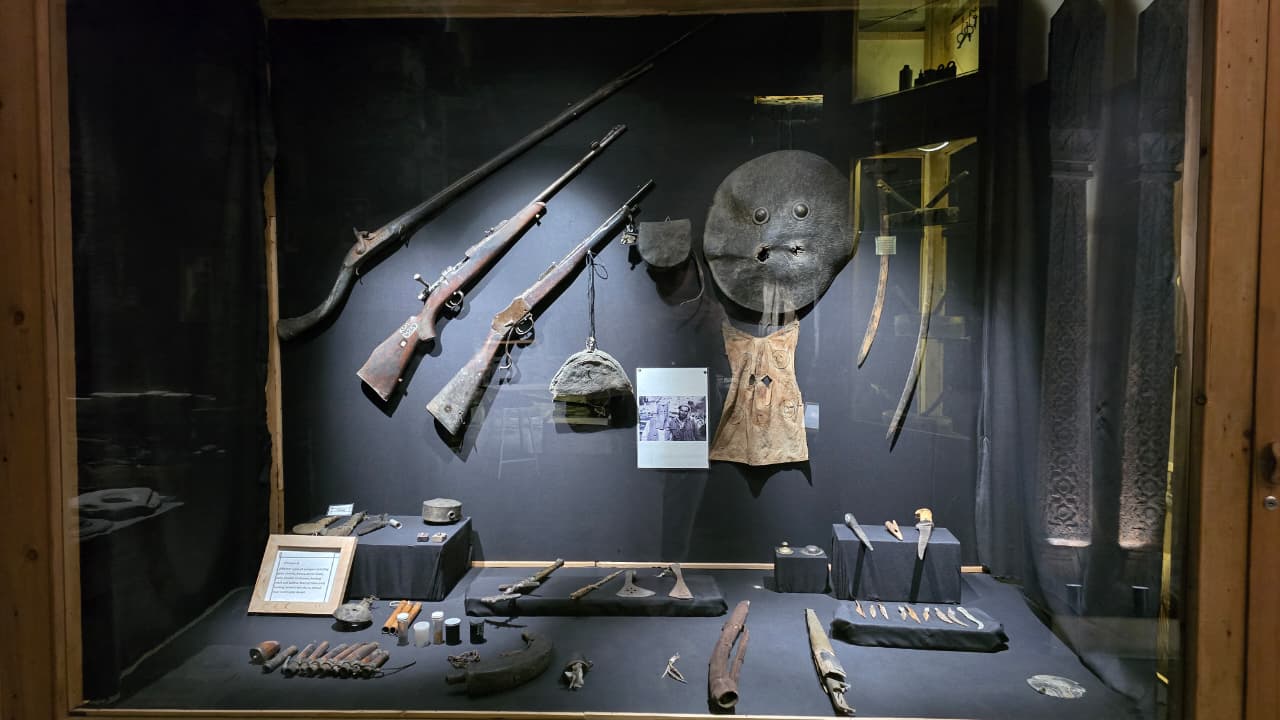
The Kalasha Dur cultural centre in Bumburet preserves the everyday world of a Kalash home, from grinding stones and woven baskets to hearth-side seating and heirloom weapons. These photographs, taken inside the museum, show how tools, textiles and timber craft together tell the story of a mountain community.
The Four Main Kalash Festivals
The Kalash calendar includes four major seasonal festivals. Each one relates to community life, agriculture, herds, food, worship and the movement of the year.
Spring festival blessings for crops and herds.
Summer celebration of dairy abundance; culminates Rat Nat.
Harvest festival; confirm the exact date locally.
Most important festival; leads toward the Kalash New Year.
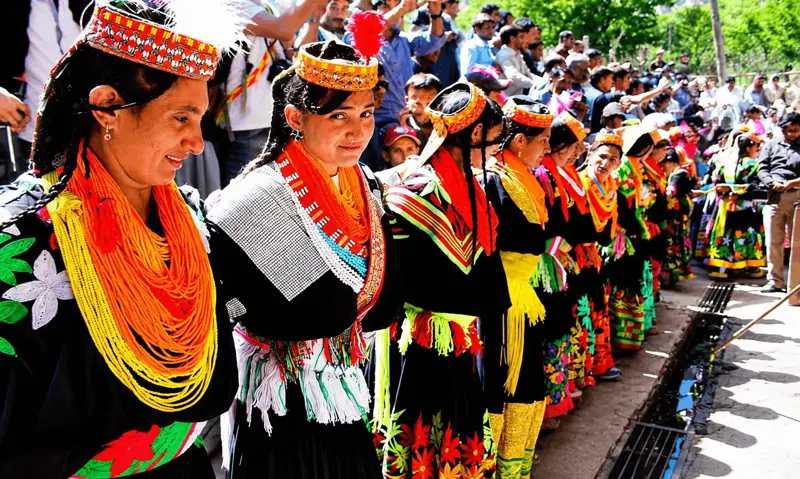
Festival activity should never be presented as a guaranteed performance. Public access, timing and photography rules can change according to community decisions.
Time a Kalash tour around the festival calendar
We help you pick the right valley, dates and guide with community-first planning throughout.
How to Visit Respectfully
Good cultural tourism begins before the camera comes out. Learn a little about the community, travel with local people and leave time for ordinary conversations rather than rushing from one image to another.
Always ask permission before photographing a person. Do not pay people for portraits, and do not photograph children without responsible adult consent. Stay away from private homes, the Bashali, temples, altars and ceremonies unless a local guide confirms that visitors are welcome.
Do not walk into dances or rituals because other tourists are doing it. Watch from the place indicated by community members. Keep music, drones and loud behavior away from sacred activity. Buy local crafts, use Kalash guides and choose services that return value to the valley economy.
"Visit as a guest, not as a collector of images."
Why Travel With a Local Kalash Valley Team?
A local team can do more than arrange a vehicle. It can explain why a place matters, confirm which public festival activity is appropriate to observe, help with consent and adjust the route when weather, roads or community events change.
Chaqon Global Tours works with people from the Kalash area who know the valleys, festivals, cultural sites and mountain routes. Our goal is to give travelers clear information while protecting the privacy and dignity of the communities they have come to meet.
Frequently Asked Questions
Are the Kalash people from Greece?
The popular Alexander the Great theory is only one of several origin theories. It has not been proven as the single historical answer. Other theories connect the Kalash with the Nuristan and Hindu Kush region or with an ancestral homeland remembered as Tsiyam.
What religion do the Kalash follow?
The Kalash follow a traditional polytheistic belief system that includes ancestor reverence, deities, sacred spaces, seasonal rituals and purity concepts. Religious practice is closely connected with music, dance, agriculture and livestock life.
What language do the Kalash speak?
They speak Kalasha, a Dardic Indo-Aryan language with a rich oral tradition of songs, stories and epics. Khowar and other languages may also be used in the wider Chitral region.
Can tourists photograph Kalash people?
Only with permission. Ask before taking a photo, respect a refusal and never enter private or sacred areas for a picture. Do not pay for portraits.
Which Kalash valley should I visit first?
Bumburet is a practical introduction for many first-time travelers. Rumbur suits visitors who prefer a quieter pace, while Birir adds a different village and heritage experience. A multi-valley tour gives the best comparison when time allows.
Is Kalash culture protected by UNESCO?
UNESCO inscribed Suri Jagek, a Kalasha astronomical and meteorological knowledge system, on the Urgent Safeguarding List in 2018. The Kalasha Valley Cultural Landscape entered Pakistan's World Heritage Tentative List in 2026. It is not yet a fully inscribed World Heritage Site.
A meaningful tour is measured by understanding not by photos collected.
Tell us your dates, interests and travel style. We will help you choose Bumburet, Rumbur, Birir or a festival departure with a local guide and a clear plan.
Written by
Saqib U Rehman (Saqib Chaqon)
Founder & Managing Director, Chaqon Global Tours