
Four Festivals, Four Seasons, One Living Calendar
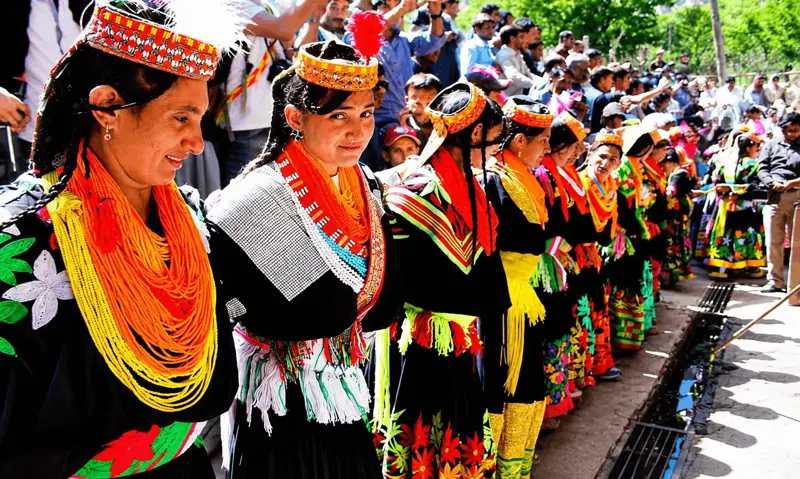
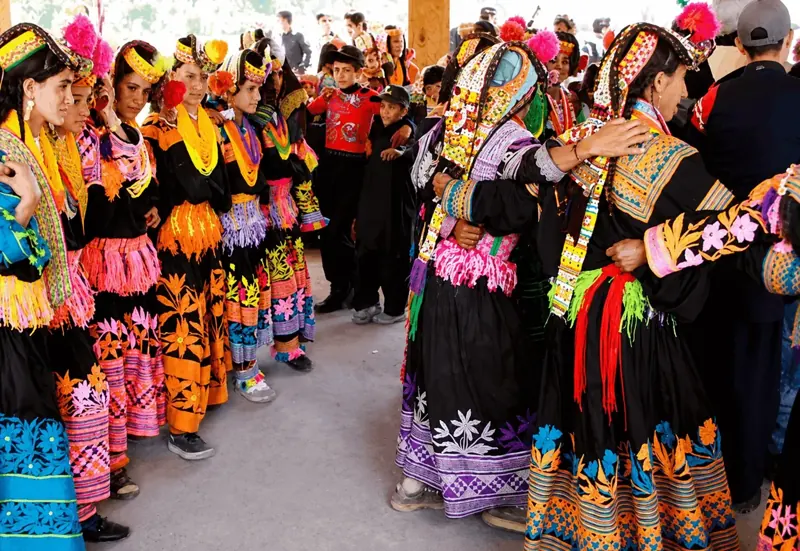
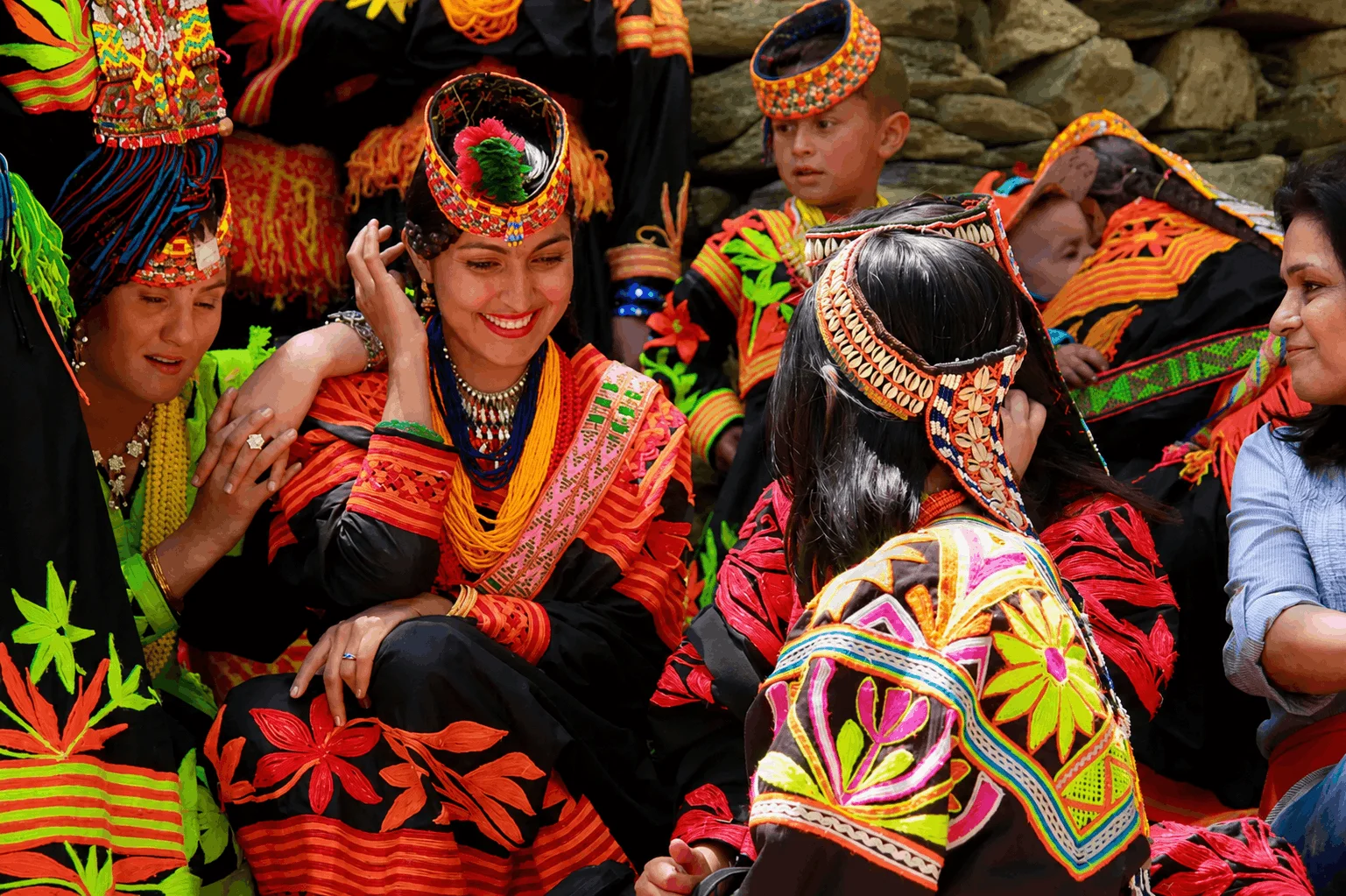
The Kalash festivals are often shown through bright clothing, drums and circular dance. Those images are real, but they are only the visible edge of something deeper. Each festival is part of a seasonal and religious calendar connected with crops, herds, food, family, sacred places and community memory.
For visitors, the most important planning fact is simple: these are real dated events, not cultural shows arranged whenever a tour group arrives. Zhoshi takes place in May, Uchaw in August, Phoo follows the autumn harvest and Chaumos fills nearly two weeks of December.
A good festival trip begins with the correct date and a local guide. It also begins with the understanding that public access is a privilege. Some activity may be open to visitors, while other rituals, buildings and moments remain private.
Kalash Festival Calendar
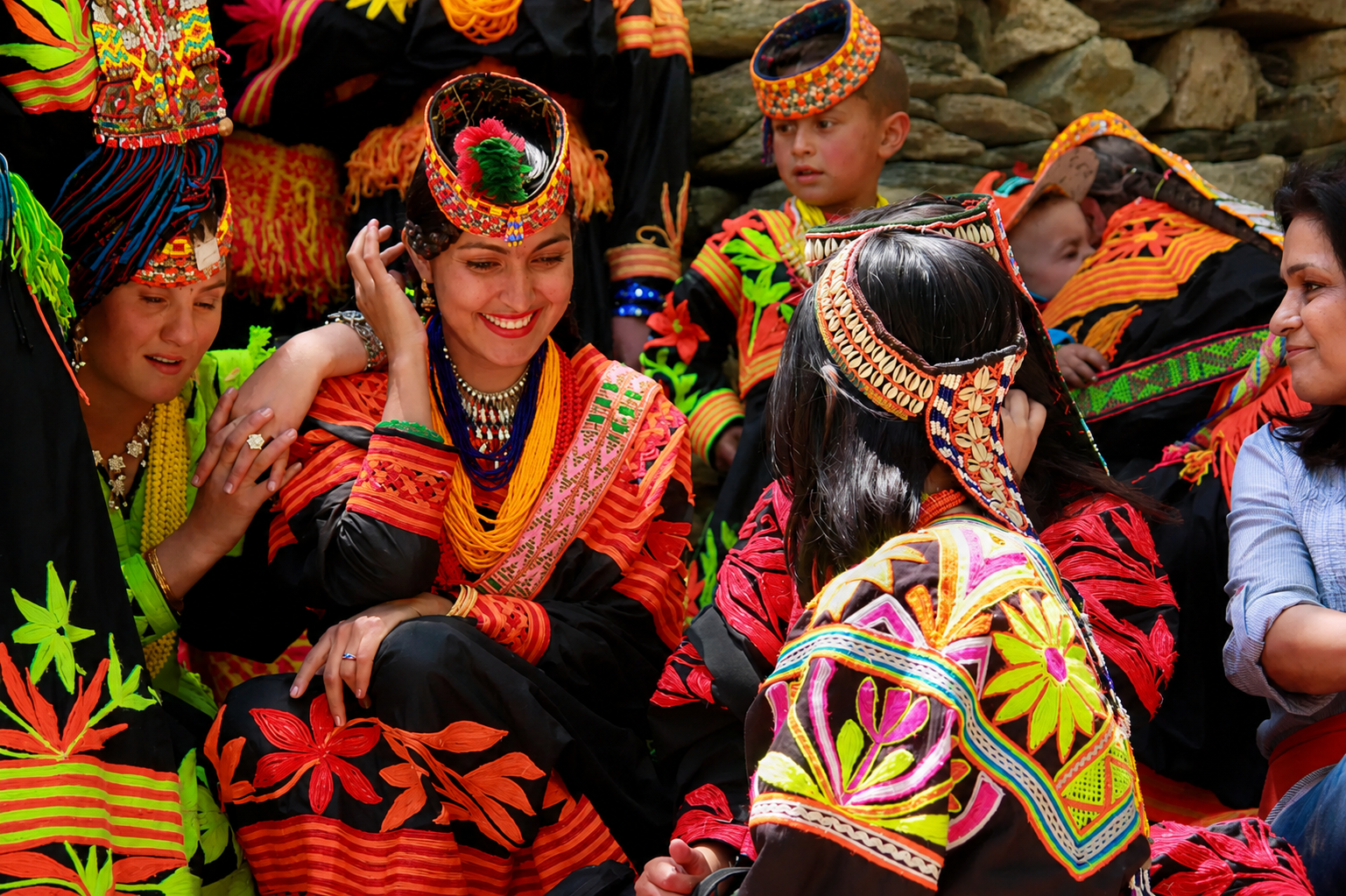
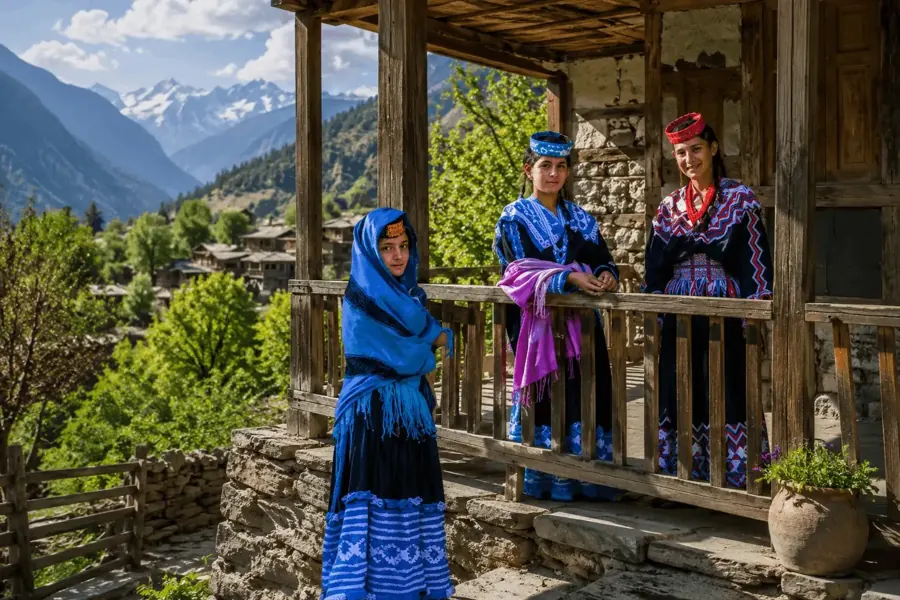
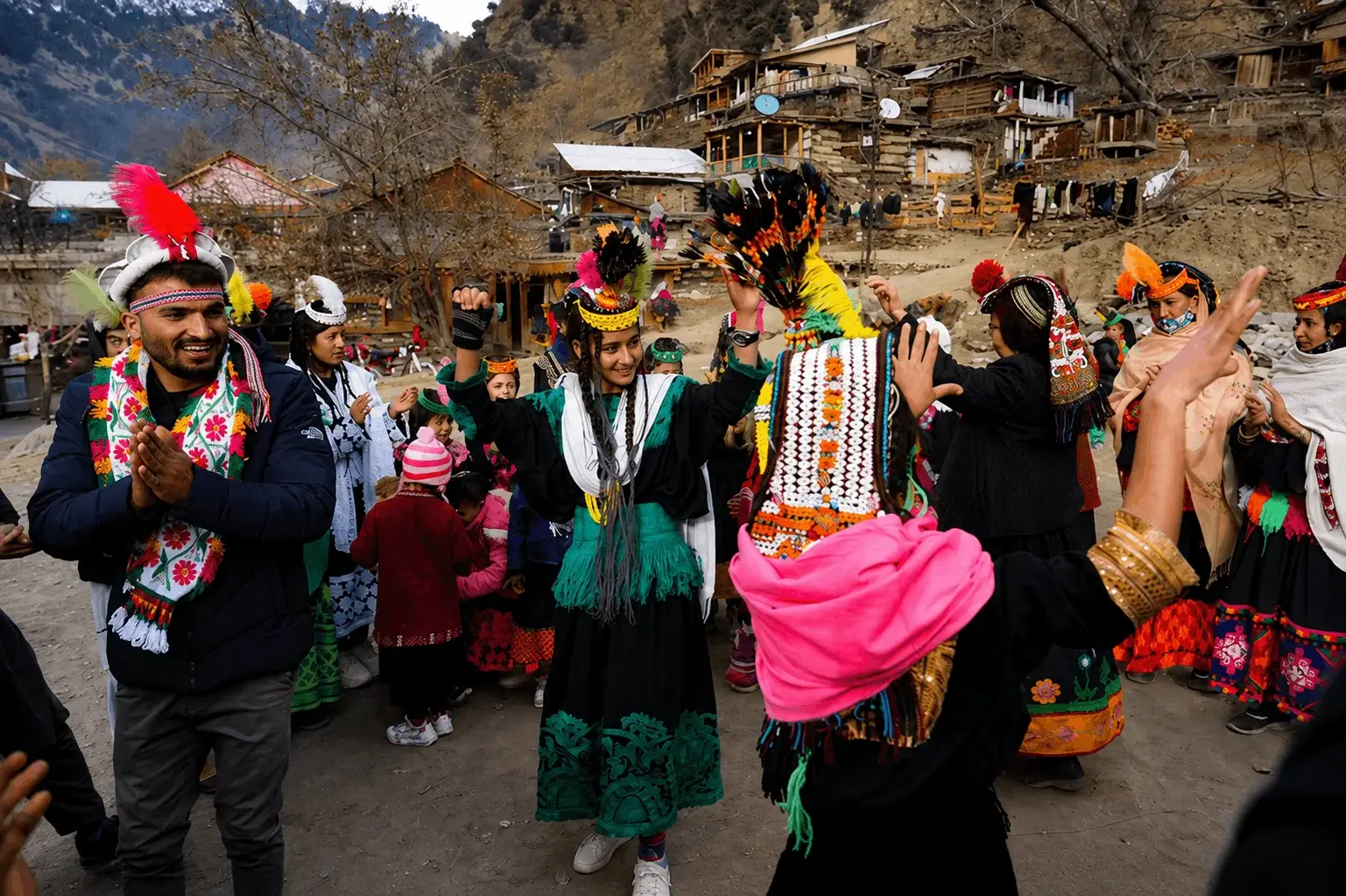
The most important festival approach of the Kalash New Year.
View Festival PageRelated seasonal gathering: Rat Nat runs from June 21 to August 21 at Charsu in Brun and Krakal. It is a smaller courtship, song and dance tradition that culminates in Uchaw.
Why Kalash Festivals Matter
The four main festivals follow changes in the natural and agricultural year. Livestock move between village areas and summer pastures. Crops grow and ripen. Dairy products become abundant. Winter brings preparation, sacrifice, new clothing and the beginning of a new annual cycle.
Music and dance are part of this religious and social life. They should not be described only as entertainment. Songs can carry memory, relationships, belief and community identity. Dancing grounds and ceremonial halls are active cultural places, not stages built for tourism.
This distinction changes the way a traveler should behave. Instead of asking, "What performance will we get?" ask, "What public activity may we respectfully observe, and what does it mean?"
Zhoshi or Chilimjusht Spring Festival
Zhoshi welcomes spring and seeks blessings for the safety of the community's crops and herds. After the quieter cold season, the valleys begin to change. Fields and trees show new color, people gather, and public festival activity draws both domestic and international visitors.
For first-time cultural travelers, Zhoshi is often the easiest festival to understand. The weather is generally more comfortable than deep winter, and the meaning of renewal is visible in the landscape.
Booking advice: Plan to arrive before May 13 so road delays do not cost you the main public days. Accommodation can fill quickly.
Uchaw Summer Festival
Uchaw celebrates summer and the abundance of dairy products from the high pastures. Late summer gives travelers more daylight for valley walks and cultural touring, but also brings busy roads and high visitor demand.
Rat Nat: A smaller courtship, song and dance gathering runs June 21–August 21 at Charsu in Brun and Krakal and culminates in Uchaw. It is not a nightly tourist program.
Booking advice: Add at least one orientation day before the event so your guide can explain photography boundaries and public areas.
Phoo Autumn Festival
Phoo celebrates the ripening of crops and fruit and the return of livestock from summer pastures. Unlike Zhoshi, Uchaw and Chaumos, Phoo does not have a single fixed date that can be safely published years in advance that flexibility is part of its meaning.
Autumn travelers find quieter paths, harvest colors and a more intimate pace. The trade-off is that plans must remain flexible.
Booking advice: Never book a non-refundable trip around an unverified date. Ask how the operator will communicate confirmation and what alternatives remain if the date shifts.
Chaumos Winter Festival
Chaumos is the most important Kalash festival. It closes the old seasonal cycle and leads toward the Kalash New Year. Families prepare new clothes, sacrifices are offered to the chief god Mahandeo, and tradition connects the period around December 21 with the birth of a new sun.
Winter gives Chaumos a powerful atmosphere but also makes travel more demanding. The strongest itineraries include buffer time and do not promise access to private rituals.
Booking advice: Pack for genuine winter. Confirm heating, water, vehicle type and contingency days in writing. A two-day visit is not enough.
Which Kalash Festival Should You Choose?
Choose Zhoshi for spring scenery, fixed dates and a strong first introduction. Choose Uchaw if your window is late summer and you want to combine the festival with longer valley days. Choose Phoo when you can travel flexibly and want harvest-season life. Choose Chaumos when the spiritual importance of the winter calendar matters more than comfort or easy logistics.
How Many Days Should a Festival Tour Include?
- Zhoshi: A 6–7 day Chitral and Kalash plan gives useful arrival and orientation time.
- Uchaw: A 5–6 day plan can include the two festival dates and relaxed valley visits.
- Phoo: A 6-day flexible plan is practical, with the exact sequence adjusted after confirmation.
- Chaumos: A 7–9 day plan is safer because of winter travel and the longer festival period.
Festival Photography Without Causing Harm
Festival clothing and movement attract cameras, but the right to photograph never comes with a tour ticket. Ask permission before close portraits. Do not push a lens into a dance circle. Do not photograph inside restricted buildings or follow people into private areas.
Avoid paying for portraits. Payment can change community relationships and turn daily identity into a pressured transaction. Buy local crafts and compensate guides fairly instead.
Drones can be especially intrusive. Do not fly one unless local authorities, community representatives and the people below have clearly approved it.
What to Pack for Each Festival Season
Layered clothing, light waterproof layer, comfortable walking shoes, sun protection, warm evening jacket.
Breathable day clothing, sun protection, reusable water bottle, light rain layer, modest clothing for village visits.
Warm layers for mornings and evenings, sturdy shoes, rain shell, flexible luggage in case the confirmed date shifts your route.
Thermal base layers, insulated outerwear, gloves, hat, warm socks, waterproof footwear, personal medication.
Frequently Asked Questions
What are the four main Kalash festivals?
They are Zhoshi or Chilimjusht in spring, Uchaw in summer, Phoo in autumn and Chaumos in winter.
When is the Zhoshi festival?
Zhoshi is celebrated from May 13 to 16 each year.
When is Uchaw?
Uchaw takes place on August 22 and 23 each year. Rat Nat runs from June 21 to August 21 and culminates in Uchaw.
When is the Phoo festival?
Phoo is held around mid-October. The exact date changes according to the ripening of crops and fruit and must be confirmed locally.
When is Chaumos festival in Pakistan?
Chaumos runs from December 10 to 23 each year. It is the most important Kalash festival.
Can tourists join Kalash dances?
Only when the community or a responsible local guide clearly invites participation. Visitors should never enter a dance, ritual or sacred area simply because other tourists are doing so.
Are festival dates guaranteed in a tour package?
Zhoshi, Uchaw and Chaumos have established annual date ranges. Public programs and access can still change. Phoo requires local date confirmation because it follows the harvest.
Combine with a Valley
More than a seat near a dance a route with meaning.
Choose your festival, tell us your preferred dates, and our local team will build a route with realistic travel time, suitable accommodation and clear cultural guidance.
Dates and public programs are locally verified before departure.